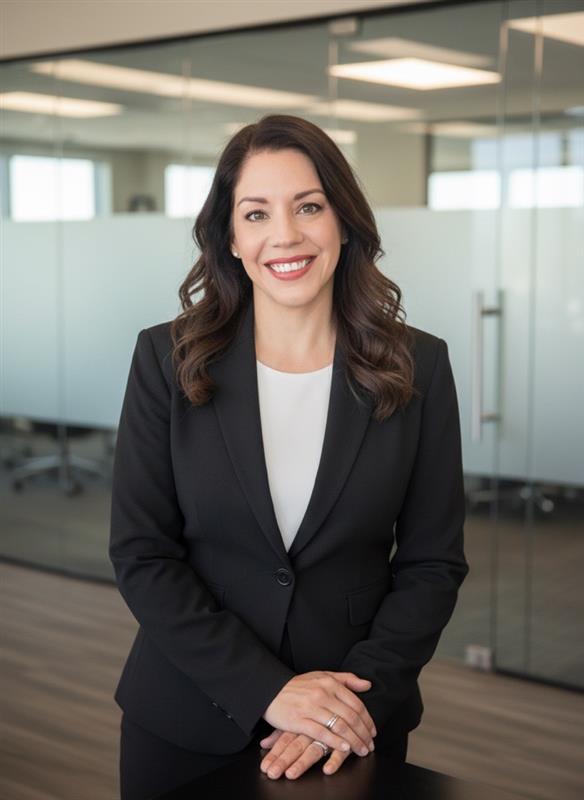
A Conversation with Kellye Shipman, Director of Counseling, New Braunfels Independent School District, New Braunfels, Texas
When New Braunfels Independent School District (NBISD) set out to bring Primeros auxilios en salud mental para adolescentes (MHFA) to students, there was a sense it wasn’t just another one-off program.
Kellye Shipman is the Director of Counseling for NBISD, which serves about 10,000 students from preschool through 12th grade north of San Antonio.
Texas mandates that school staff must be trained in trauma-informed care, and New Braunfels ISD uses MHFA Juvenil — which teaches adults how to help young people ages 12-18 who may be experiencing a mental health or substance use challenge — to answer that need.
For Shipman, that signaled a gap.
“We trained our adults what to look for and how to support our kids, but we weren’t training our kids how to support each other,” Shipman said.
The clear value of the program made it easy for the Board of Trustees and principals to approve Teen MHFA, she said. But starting a mental health training program is no easy feat.
“Mental health training is a big endeavor for a school to take on,” Shipman said. “As good an idea as Teen MHFA was, I was like, gosh, how can I do it? We’ve got about 3,200 high schoolers.”
Building a Sustainable Program
Instead of training all 3,200 teens at once, they decided to roll out Teen MHFA in the fall of 2025 gradually by beginning with freshmen. Fresh out of middle school, the first year of high school is often the most challenging — and training them in Teen MHFA gives them valuable skills right away.
“Right off the bat, they’ll learn who their counselors are, where they are, and that it’s okay to ask for help,” she said.
Inside the Classroom: Engagement and Immediate Impact
Once Teen MHFA classes began, Shipman saw something that surprised even seasoned educators: consistent student engagement.
“The kids were receptive,” she recalled. “They were answering the questions. They were giving their input. They weren’t avoiding the lessons at all, and they looked forward to them every week. They thought it was really valuable.”
“Sometimes you feel like these kids are not listening, but they are. Even kids that will put their head down and look like they don’t want to learn — by the end they’re raising their hand and answering questions,” Shipman said. “They hear it. They absorb it in their own way, and they show you that they’re able to apply it.”
The most powerful outcome was that students used what they learned to seek help for themselves and for others.
Right at the start, a student asked Shipman for support. For a long time, the student said, she had been struggling with mental health challenges, but she didn’t know how to ask for help.
“That very first week, we were able to intervene immediately with a student who asked to see somebody,” Shipman shared. “She said, ‘I’ve been feeling this for a long time and no one’s ever asked me.’”
In yet another moment, a student recognized the signs of mental health challenges in their younger sibling after learning about the signs in Teen MHFA. The family received support and the student’s sibling got help that same day.
After each session of Teen MHFA, students complete an Exit Ticket, which provides a chance for them to reflect on the lesson and signal if they’d like a counselor to follow up with them.
In that first fall of Teen MHFA at New Braunfels ISD, three Exit Ticket check-in requests resulted in a suicide intervention protocol.
Seeing Ongoing Results
Teen MHFA also raised awareness of the resources available to students. Following the rollout, the counseling team saw a noticeable uptick in students reaching out for support and requests to see counselors.
That visibility helped reinforce buy-in from across the NBISD community. Shipman said teachers were excited to be involved and didn’t mind giving up class time once a week for Teen MHFA.
For Shipman, the program’s biggest strength is that it reflects how teens actually ask for support: They tend not to reach out to their parents, guardians, teachers or counselors right away. They reach out to each other.
When students have concrete steps to follow — Teen MHFA teaches a memorable Action Plan (ROLE) — they’re more willing to act and more likely to loop in an adult when it matters.
NBISD administers pre- and post-course surveys to help evaluate the effectiveness of Teen MHFA.
“Look at the difference we made. Look at the impact we made with this program!” Shipman said.
After the course, 93% of students responded that they felt somewhat or very confident that they could recognize the signs that a friend might be experiencing a mental health or substance use challenge.
89% of students felt somewhat or very comfortable starting a supportive conversation with a friend who seemed to be struggling with a mental health or substance use challenge.
In their first year, NBSID trained 803 students in Teen MHFA.
“When teens feel empowered to help each other and speak out, then they are more likely to do so, and to get adult help,” Shipman said. “It’s not something we’re telling them to do — we’re showing them how to do it. I wish we had this program long before now.”