Addiction and substance use disorders are common — and commonly misunderstood — challenges. One of the most persistent myths is that addiction is simply a choice. This misconception can lead people to question whether addiction is real.
Addiction is very real. It’s a complex brain disease that affects millions of people across all walks of life (not a moral failing or a lack of willpower). In this article, we’ll discuss what substance use disorders — also known as addiction — are and what you can do to help someone facing a substance use challenge or addiction.
What is addiction?
Substance use disorders are patterns of alcohol or drug use that cause significant distress or impair daily functioning. Over time, repeated use can lead to tolerance, withdrawal and a pattern of compulsive use.
Addiction is the most severe substance use disorder and is a medical illness caused by repeated misuse of a substance or substances such as alcohol, opioids, stimulants (like cocaine or amphetamines), cannabis and tobacco.
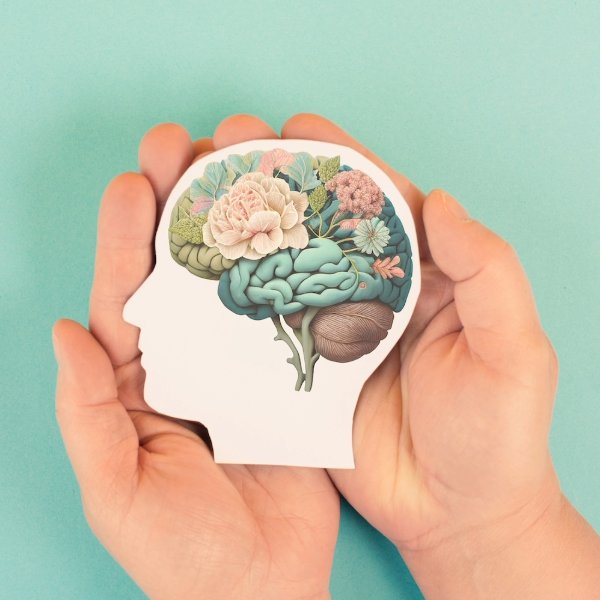
The National Institute on Drug Abuse defines addiction as “a brain disorder that occurs when repeated drug use leads to changes in the function of multiple brain circuits that control pleasures/reward, stress, decision-making, impulse control, learning and memory, and other functions. These changes make it harder for those with an addiction to experience pleasure in response to natural rewards — such as food or positive social interactions — or to manage their stress, control their impulses, and make the health choice to stop drug seeking and use.”
Is addiction a disease or a choice?
“Is drug addiction a choice?” is a misleading question. The science is clear: Addiction is a chronic brain disease. It’s not a choice people make. While the initial decision to use a substance may be voluntary, the progression to addiction involves changes in brain chemistry that make quitting incredibly difficult without support and treatment. that make quitting incredibly difficult without support and treatment.
And substance use disorders and addiction are treatable! Research-based treatments help people stop using alcohol and resume productive lives, also known as being in recovery.
When does addiction begin?
Substance use usually begins in adolescence or early adulthood. In fact, 75% of those with substance use disorders develop them by age 27. But not all substance use leads to addiction — and not all signs are easy to spot.
Recognizing signs of a substance use disorder
How might you identify a possible substance use challenge in a friend, colleague or loved one? If someone is experiencing repeated legal issues, relationship problems or other challenges linked to substance use, it may be a sign of a substance use disorder.
Not all alcohol or drug use becomes a problem. When a person develops a tolerance to a medication their doctor has prescribed or experiences withdrawal symptoms from a prescribed medication, it’s not necessarily indicative of a substance use disorder.
How you can help: Mental Health First Aid
Mental Health First Aid (MHFA) is working toward a world where we all have the skills to support someone who may be experiencing a mental health or substance use challenge.
MHFA courses empower learners to:
- Recognize early and worsening signs of alcohol or substance use.
- Apply the MHFA Action Plan (ALGEE) when intervention is needed.
- Respond effectively when someone is in crisis.
- Connect people to professional help and resources, and let them know that recovery is possible.
- Practice what they’ve learned with videos, real-world scenarios and diagrams.
- Encourage self-care and peer or support groups.
MHFA offers specialized courses for teens, adults, and adults who work with youth — because substance use can affect anyone, anywhere.
The views expressed in this presentation are provided for informational purposes only. They do not necessarily reflect the opinions or views of the National Council for Mental Wellbeing, its employees or partners.
Over 4.5 million people in the U.S. have been trained in MHFA. Be ready to respond to a substance use challenge by joining them as a First Aider.