In close-knit rural communities, care often starts neighbor to neighbor. Mental Health First Aid (MHFA) strengthens that instinct, equipping people with the skills and confidence to act — and creating a ripple effect that can move from one conversation to the next. With more than 7 million adults in rural areas experiencing a mental health condition in 2024, those everyday moments of support can make a real difference.
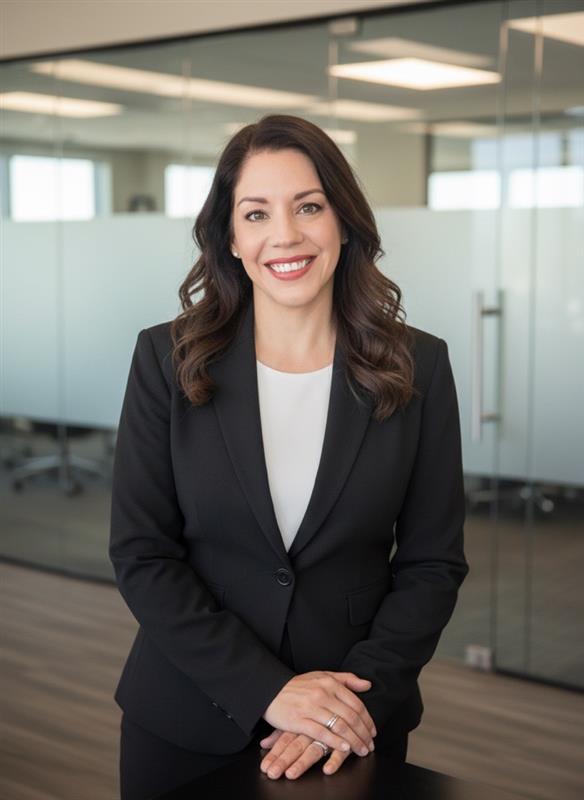
That ripple effect is what drives Calli Thorne. Thorne is a leadership coach, keynote speaker and fifth-generation rancher. She is also a MHFA Instructor, teaching everyday people how to recognize and respond to the signs and symptoms of a mental health or substance use challenge. Through MHFA, Thorne brings practical, community-centered mental health education to the communities she knows and loves.
Thorne is based in western North Dakota, where farming, ranching, construction and oil field work shape daily life. Since 2022, Thorne has trained more than 500 people in MHFA para adultos — and helping every one of those new Mental Health First Aiders become another source of support for someone else.
Meeting Learners Where They Are in Rural Communities
Thorne teaches MHFA to agricultural groups, county employees, organizations and companies. She said her approach to teaching is rooted in meeting her learners where they are. They may be excited, they may be hesitant, or — sometimes — they may be resistant.
Thorne understands the pressures of rural life because she lives them herself.
“I know the industry. I know the people. I know how they tick. I know the circumstances that they face, the things that they can’t control. I know how isolated many of them are. I know the physically and mentally demanding work they do.”
— Calli Thorne
Those realities matter. Farmers and ranchers often face uncontrolled stressors tied to weather, markets, isolation, long hours and the responsibility of sustaining land and businesses that have been in families for generations. Rural communities may also have limited access to mental health services, making it harder for people to find support when they need it.
Thorne hears that reality in the people she trains.
Some say they are hesitant to seek help because they worry a provider will not understand their way of life. Others are carrying the pressure of running businesses, caring for animals, managing family responsibilities and making big decisions every day.
“There are people who will say, ‘I don’t want to go talk to a counselor because they don’t understand our way of life,’” Thorne said. “They don’t understand that I am a fifth- or sixth-generation person on this land and I don’t want to be the one to mess it up.”
Overcoming Stigma and Barriers in Rural Mental Health
During one county training, she looked out at a road department crew that, she said, did not seem particularly excited to spend the day in class. Thorne knows a full-day training on mental health can sound intimidating, especially when stigma makes it a difficult topic to discuss.
Thorne decided the best approach was to be straightforward.
“I said, ‘I know they wanted you guys to be here, and you’d maybe rather be out working on the roads, but you’re here, so you might as well make the best of it,’” Thorne recalled. “‘I have no doubt you guys will take lessons away from today that will stick with you for the rest of your life if you want to.’”
By lunch, one participant pulled her aside and quietly told her the class was “way better” than he expected.
It’s the small moments, like that one, that show how stigma begins to shift. Mental health may be more visible in public messaging than it once was, she said, but that does not always mean people are talking about it with one another.
“We see that mental health is being talked about at large,” she said. “But it doesn’t mean we talk about it with each other, because we all have work to do and we just keep on rolling.”
How Mental Health First Aid Empowers Communities
One evening after a training, Thorne received an email from one of the learners. He wrote to thank her for the class and for her work, and to share his own experience with mental health challenges and thoughts of suicide. The class, he said, was deeply helpful for understanding his own challenges and knowing how to support others.
In another instance, a learner — who had taken MHFA with her a few days earlier — told Thorne that while he was telling his wife about the course, she shared that she had been considering suicide.
He was shocked, Thorne said, but started a supportive conversation using what he had just learned in MHFA.
“He said, ‘I was literally in your class that day and had the conversation with her that night,’” Thorne said.
She also hears from participants months or years later. Someone may stop her at church, at a local business or in the hallway before another training to say they used what they learned to support someone who was struggling.
Each new story reinforces one of Thorne’s core messages: MHFA teaches skills people actually use.
“I’ve taken first aid and CPR three times, and I have thankfully never had to use it. I don’t know why mental health training isn’t required, because I can guarantee you, you would use that training every week, if not every day, for yourself or for someone else.”
— Calli Thorne
The Ripple Effect of Mental Health First Aid
The need for mental health training is not going away — and neither is Thorne. When the work feels demanding, she focuses on the ripple effect: one learner leaves with more knowledge, confidence and tools to support someone else. Across thousands of Instructors nationwide — and more than 4.5 million people trained in the U.S. — those ripples add up.
Each class creates more opportunities for people to notice when someone is struggling, start a conversation and connect them to support — often in ways Thorne may never hear about.
“I will never know all of the stories,” she said. “The people’s lives that you impact for the better, even the lives that will be saved, people that will be on this earth for 10, 20, 50 more years because you talked to them, because you had a conversation with them.”
That is what motivates her: watching people leave prepared to show up for themselves, their families and their communities.
“I picture them when they walk out the door. There goes 20, there goes 30 more people who know so much more about mental health and how to show up for other people and themselves. They’re going out and being difference makers.”
— Calli Thorne
Ready to make a difference?
MHFA builds your skills to support mental wellbeing, for yourself and for others.